Find replacement laser unit for p 2 for cutting, engraving, and marking
Source a replacement laser unit for p 2 from 30 verified listings. Buyers can compare specifications, pricing, and customization options for industrial applications including advertising, crafts, and leather processing.
Key considerations
Products List


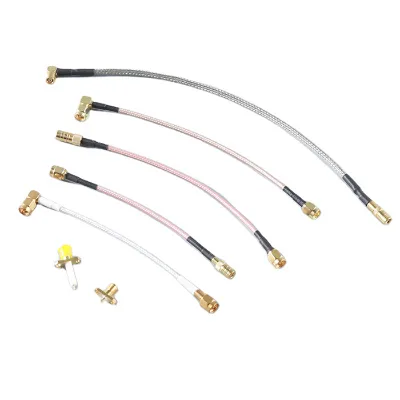


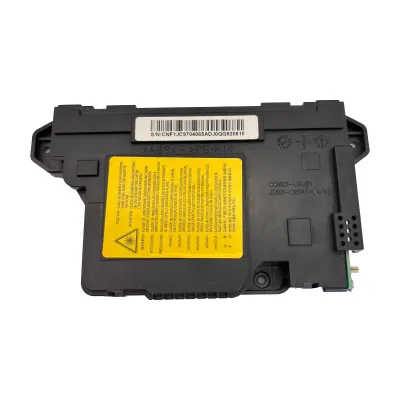

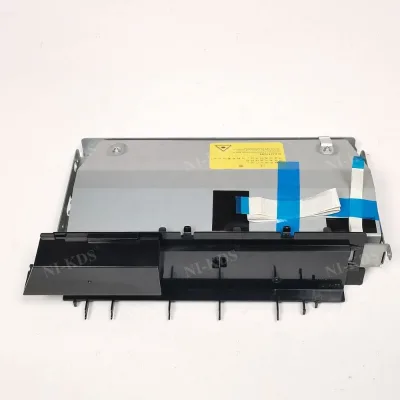
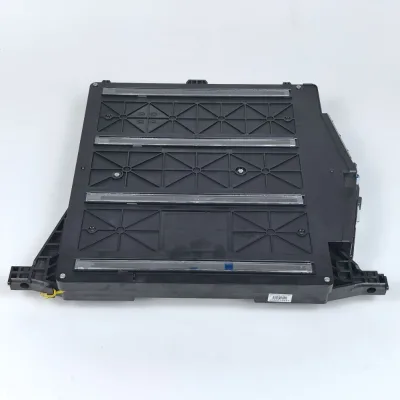


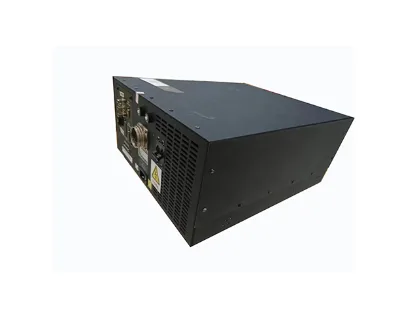


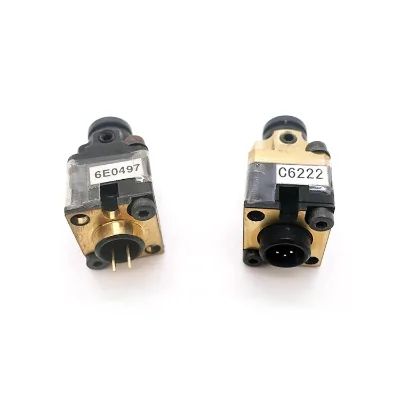


Comprehensive Sourcing Guide
Strategic Sourcing Guide for Replacement Laser Units
Understanding the Product Landscape and Technical Variants
When sourcing a replacement laser unit, specifically for applications involving the "p 2" designation or similar industrial laser systems, buyers must first navigate a fragmented market of technical specifications. The available inventory reveals a diverse array of laser types, ranging from CO2 lasers to gaseous and infrared modules. The core keyword search often leads to products categorized as "Laser Source" or "Laser spare parts," which are critical for maintaining operational continuity in manufacturing environments.
A primary observation in the current market is the variation in laser classification. Some units are identified as "Gaseous Laser" or "CO2 Laser," while others are specified as "Pulse Laser" or "1064nm Infrared Laser Module." This distinction is vital because the replacement unit must match the original system's optical architecture. For instance, a unit with a "100w" specification may differ significantly in output characteristics from a "CLY-810LS" or "CLY-823LS" model. The "1064nm Infrared Laser Module for S1" represents a specific subset of technology often used for metal processing, whereas CO2 variants are typically reserved for non-metal applications.
Buyers must also scrutinize the "Laser Classification" and "Technical Class" to ensure compatibility. The market offers both continuous wave and pulse options. The "Pulse Laser" designation suggests a specific modulation capability that may be required for high-precision engraving or cutting tasks. Furthermore, the "Cooling System" is a critical component; many units listed utilize "Water Cooling," which necessitates a compatible chiller setup in the host machine. Failure to match the cooling requirements can lead to immediate thermal failure of the replacement unit.
Critical Technical Specifications and Performance Metrics
The technical due diligence phase requires a deep dive into the specific parameters that define the performance of the replacement unit. The provided data highlights several key specifications that serve as benchmarks for evaluation. One of the most critical metrics is the "Wavelength," which is listed in ranges such as "140mm/180mm/250mm/260mm" for certain components, though these figures often refer to focal lengths or beam delivery distances rather than the optical wavelength itself. For the "1064nm Infrared Laser Module," the wavelength is explicitly defined, which is essential for matching the optical path of the host machine.
Performance capabilities are further defined by speed and precision. The "Cutting Speed" for compatible systems ranges from "1-1000mm/Min," while "Engraving Speed" can reach up to "6000mm/Min." These figures indicate the dynamic range of the laser source and its suitability for different production volumes. Buyers should verify if the replacement unit supports the required speed envelope for their specific workflow. Additionally, the "Min Line Width" is a crucial indicator of resolution, with observed values between "0.15-0.3mm." This specification determines the level of detail the laser can achieve, which is paramount for industries like advertising, crafts, and printing & packaging.
Precision is another non-negotiable attribute. The "Location Precis" is noted as "0.015mm" in certain high-end configurations, suggesting a high degree of repeatability. This level of accuracy is often supported by "DSP Control System" software, which manages the "CNC" operations. The "Working Area" is another variable, with options like "600X900mm" being available as optional configurations. When sourcing a replacement, the physical dimensions of the laser head or module must align with the existing machine's gantry and motion system. The "Working Table" type, whether "Honeycomb or Knife Table," also influences the choice of laser power and focus, as different materials require different support structures to prevent damage during processing.
Compliance, Certification, and Safety Standards
In the realm of industrial laser procurement, compliance and safety are paramount. While the market data indicates that some products are "Non-Standard Component" and others are "Customized," buyers must exercise caution regarding regulatory adherence. The "prod_standard" field in the inventory shows varied entries, such as "301910cm" for packaging or "1200KG" for weight standards, but these do not inherently confirm safety certifications. Buyers must independently verify that the replacement unit meets international safety standards, such as IEC 60825 for laser safety, which classifies lasers based on their potential hazard to human eyes and skin.
The "Laser Classification" mentioned in the data, such as "Gaseous Laser," implies specific safety protocols. High-power lasers often fall into Class 4, requiring rigorous enclosure and interlock systems. The "Automatic Grade" of "Automatic" suggests a level of integration that may require specific safety interlocks to function correctly. Buyers should request documentation proving that the unit complies with the electrical safety standards of their operating region, particularly since the "prod_origin" is listed as "China" or "Guangzhou." While "Guangzhou" and "Jinan" are known manufacturing hubs, the origin does not guarantee compliance with Western safety regulations.
Furthermore, the "Quality" attribute is described as "High Level," but this is a subjective observation rather than a certified standard. Procurement teams must demand third-party test reports or certification documents that validate the safety and performance claims. The "condition" of the product is listed as "New," which is a positive indicator, but it does not preclude the need for a pre-shipment inspection to ensure the unit has not been damaged during transit or storage. The "Warranty" status is noted as "Unavailable" in some listings, which significantly increases the risk profile for the buyer. In such cases, the buyer must rely on the supplier's reputation and the robustness of the product's build quality, rather than contractual recourse.
Cost Drivers and Total Cost of Ownership Analysis
The pricing for replacement laser units exhibits a massive variance, with observed ranges from "3.92" to "16000" USD. This wide spectrum reflects the diversity of the products, from small modules to large industrial laser sources. The "Key Selling Points" often highlight "Competitive Price," but buyers must look beyond the initial purchase price to understand the Total Cost of Ownership (TCO). The "Selling Units" are often listed as "Single item," which can inflate the per-unit cost if the buyer requires multiple spares or a complete system overhaul.
Several factors drive the cost of these units. The "prod_model" complexity, such as the "CLY-810LS" versus a generic "100w" module, significantly impacts the price. Higher power outputs, such as the "100w" specification, generally command a premium over lower wattage units. The "Cooling System" requirement also adds to the cost; water-cooled systems require additional infrastructure, including chillers and pumps, which must be factored into the budget. Additionally, the "prod_packing" method, whether "Carton," "Wooden Box," or "Plywood Case," influences shipping costs and insurance premiums, especially for heavy items weighing up to "1200KG."
The "MOQ" (Minimum Order Quantity) is another critical cost driver. The observed range of "1-2" suggests that some suppliers offer flexible ordering, while others may require bulk purchases to achieve the lower end of the price spectrum. Buyers should negotiate based on their volume needs, as purchasing a single unit at a high price point may not be cost-effective compared to a bulk order with a lower per-unit cost. The "Training" aspect, described as "Teach Online or Learning for Training Videos," adds value but may also incur additional fees if not included in the base price. Understanding these cost components allows buyers to make informed decisions that balance immediate budget constraints with long-term operational efficiency.
Typical Applications and Industry Suitability
The versatility of replacement laser units is evident in their broad range of applications. The "Application" field lists sectors such as "Advertising Industry," "Crafts Industry," "Molds & Dies," "Construction Industry," "Printing & Packaging," "Carpentry," "Domestic," and "Leather Industry." This diversity indicates that the laser units are adaptable to various material types and processing needs. The "Applicable Material" is specified as "Nonmetal" for certain configurations, which aligns with the use of CO2 lasers for materials like wood, acrylic, and leather.
For industries requiring high precision, such as "Molds & Dies" and "Printing & Packaging," the "Engraving Method" of "Vector Engraving" is a key feature. This method allows for intricate designs and detailed text, which is essential for branding and product identification. The "Cutting Speed" and "Engraving Speed" capabilities ensure that these units can handle high-volume production runs without compromising quality. In the "Construction Industry" and "Carpentry," the ability to cut through thick materials is crucial, and the "Working Area" size determines the maximum piece size that can be processed.
The "Laser Type" also dictates the industry suitability. "CO2 Laser" units are ideal for non-metallic materials, while "1064nm Infrared Laser Module" units are better suited for metal processing. Buyers must match the laser type to their primary material inputs. For example, a "Leather Industry" client would prioritize a CO2 laser for its ability to cut and engrave leather without charring, whereas a "Molds & Dies" shop might require a fiber or infrared laser for metal engraving. The "Usage" is explicitly stated as "Laser Cutting head" for some components, indicating their role in the final processing stage. Understanding these application nuances ensures that the replacement unit delivers the expected performance in the specific industrial context.
Supplier Evaluation and Quality Control Protocols
Selecting the right supplier for a replacement laser unit requires a rigorous evaluation process. The "prod_origin" is frequently listed as "China," with specific cities like "Guangzhou" and "Jinan" appearing as manufacturing hubs. While these locations are known for industrial production, buyers must verify the supplier's track record and quality control measures. The "Quality" attribute is described as "High Level," but this is an observation that must be validated through independent testing or customer references.
Buyers should request detailed information regarding the "prod_packing" and "prod_standard" to ensure the unit arrives in optimal condition. For heavy items, "Plywood Case" or "Wooden Box" packaging is essential to prevent damage during shipping. The "Location Precis" of "0.015mm" suggests a high standard of manufacturing, but buyers should ask for calibration certificates or test reports that confirm this precision. The "condition" being "New" is a baseline requirement, but buyers must also check for any signs of wear or damage upon receipt.
The "Warranty" status is a critical factor in supplier evaluation. With some listings showing "Unavailable" warranty, buyers must assess the risk of purchasing without protection. A reputable supplier should offer at least a limited warranty or a clear return policy. The "Training" options, such as "Teach Online or Learning for Training Videos," indicate the supplier's commitment to customer support. Buyers should evaluate the comprehensiveness of these training resources to ensure their team can operate the new unit effectively. Finally, the "Spare parts type" being "Laser spare parts" suggests that the supplier may offer ongoing support for maintenance, which is crucial for long-term procurement.
Long-Term Procurement and Maintenance Considerations
Sourcing a replacement laser unit is not a one-time transaction but part of a long-term maintenance strategy. The "prod_model" variations, such as "USJ6090" or "CLY-823LS," highlight the importance of compatibility with existing systems. Buyers should consider the availability of future spare parts and the longevity of the model. The "Automatic Grade" of "Automatic" suggests a high level of integration, which may require specialized maintenance and software updates.
The "Cooling System" is a component that requires regular maintenance. Water-cooled systems need periodic flushing and chiller checks to prevent overheating and extend the life of the laser unit. Buyers should factor in the cost of consumables and maintenance services when calculating the TCO. The "Working Area" and "Cutting Speed" capabilities may degrade over time, so buyers should plan for potential upgrades or replacements in the future.
The "Application" diversity also implies that the laser unit may be used for different tasks over its lifecycle. Buyers should ensure that the unit is versatile enough to adapt to changing production needs. The "Engraving Method" and "Laser Type" should be evaluated for their adaptability to new materials or processes. Finally, the "Location Precis" and "Min Line Width" specifications should be monitored to ensure the unit continues to meet quality standards as it ages. By planning for these long-term considerations, buyers can maximize the value of their investment and minimize downtime.
FAQs
What laser types are available for replacement units?
Available types include CO2, Gaseous, and Infrared modules. Specific models like CLY-810LS and CLY-823LS offer distinct capabilities. Buyers must match the laser type to their material, as CO2 suits nonmetals while infrared handles metals.
Which specifications define the cutting and engraving speed?
Cutting speed ranges from 1 to 1000mm per minute. Engraving speed can reach up to 6000mm per minute. These metrics determine production efficiency and depend on the specific model and material thickness being processed.
Can I find units with water cooling systems?
Yes, water cooling systems are available for many replacement units. This requirement necessitates a compatible chiller setup in the host machine. Failure to match cooling requirements can lead to immediate thermal failure of the laser source.
What is the minimum line width achievable?
The minimum line width ranges between 0.15 and 0.3mm. This specification indicates the resolution level for detailed engraving tasks. It is crucial for industries like advertising and printing that require high precision.
How does the warranty status affect purchasing?
Warranty availability varies, with some listings showing no warranty coverage. Buyers must rely on supplier reputation and build quality when warranties are unavailable. Requesting third-party test reports is essential to validate safety and performance claims.
What are the standard packaging options for shipping?
Packaging options include cartons, wooden boxes, and plywood cases. Heavy items may require plywood cases to prevent damage during transit. The packaging type influences shipping costs and insurance premiums based on the unit weight.
Which applications support nonmetal material processing?
Nonmetal applications include advertising, crafts, leather, and carpentry industries. CO2 lasers are typically used for these materials. The working table type, such as honeycomb or knife table, influences the choice of laser power.